Why Staple Fabric Buyers Are Shortening the Supply Chain — And Where RCC Fabric Fits In
Across the global textile sourcing landscape, a quiet but measurable shift is underway: procurement teams handling shirting, workwear and institutional uniform programs are trimming middle-layer suppliers and reopening direct lines to source mills.
The driver is not price alone. In a market where delivery windows have compressed and lot-to-lot variance remains the most persistent quality complaint, buyers increasingly value the upstream visibility that an integrated manufacturer can provide. For commodity-grade inputs — the polyester-cotton yarns and loom-state greige cloth that anchor uniform and workwear lines — supply stability has become a purchasing criterion on par with unit cost.
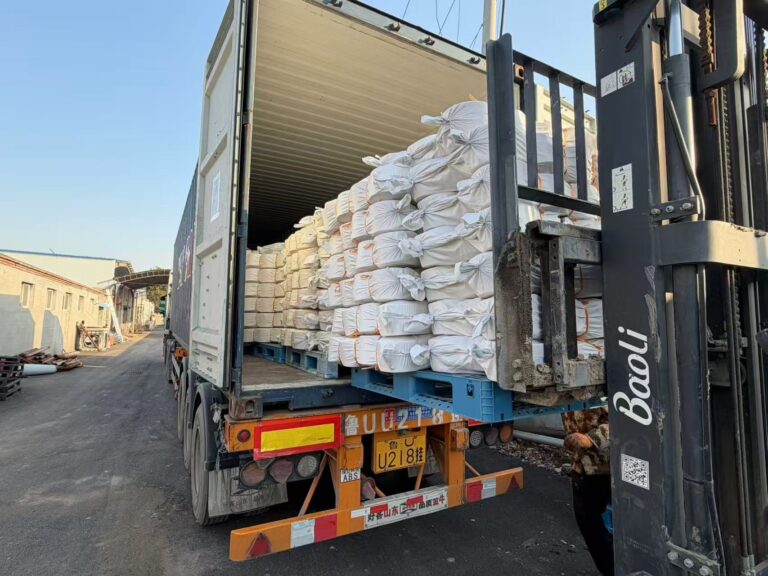
Ruichangyong Textile (RCC Fabric), operating integrated spinning and weaving production since 2003, is among the mills positioned to benefit from this reset. Its product core — T/C spun yarn and greige fabric in plain and twill constructions — is deliberately built around materials that leave the mill unfinished, allowing downstream dyeing, printing or functional finishing to buyer direction.
“We are seeing more enquiries framed around consistency than around novelty,” noted a company representative. “A uniform contractor does not need a new fabric every season — they need the same fabric, reliably, in the right quantity.”
RCC Fabric’s in-process quality control spans both spinning and weaving stages, with customisation on blend ratios and weave specifications accepted against buyer tech packs. Enquiries and sample requests are handled through its factory export desk via WhatsApp and WeChat, a direct-line model that sidesteps the communication lag often associated with multi-tier trading chains.
For mills and buyers alike, the takeaway is a familiar one: in staple textile categories, the competitive advantage is no longer in having the broadest catalogue, but in removing the most failure points between fibre and finished garment.